Why Microbicides?
Women and Girls Bear the Burden of the HIV/AIDS Epidemic
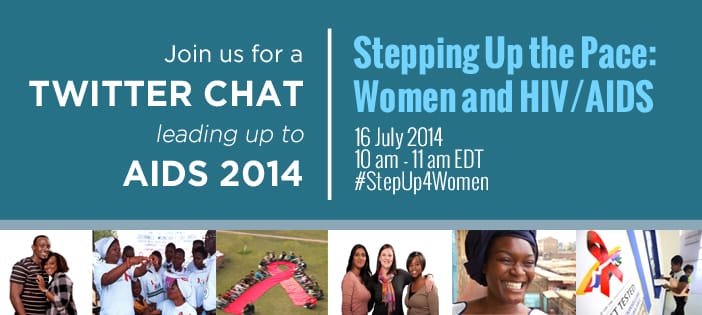
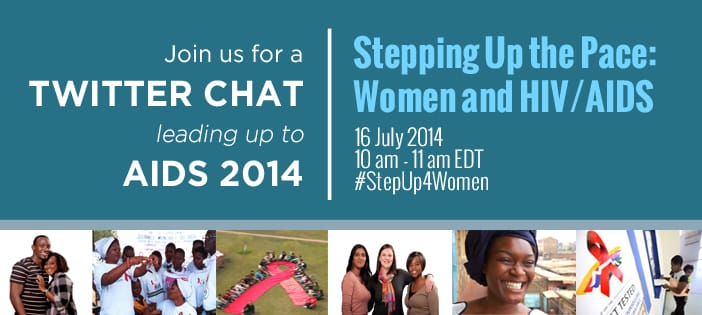
HIV/AIDS is the world’s leading cause of death in women ages 15-44.1 Women comprise more than 50 percent of the adults living with HIV/AIDS. The epidemic takes a disproportionate toll in sub-Saharan Africa, where six out of every 10 HIV-positive adults are women.2
New HIV infections among women and girls continue at an alarming rate. Each day, more than 3,000 women and girls become infected with HIV/AIDS. An IPM incidence study completed last year in South Africa, which has some of the highest HIV rates worldwide, found that HIV prevalence among women 18-35 in the KwaZulu-Natal province can reach higher than 40 percent.2
Women are particularly vulnerable to HIV infection.Heterosexual sex remains the primary mode of HIV transmission in sub-Saharan Africa – and a mix of biology and culture renders women more susceptible to HIV infection than men.
Marriage is not a refuge from the epidemic.Many new HIV infections occur in married womenand women in long-term, monogamous relationships. More married and widowed women in Kenya are HIV positive than those who have never married.3 In Zambia, 60 percent of people infected with HIV through heterosexual transmission acquired the virus while married or living with their partners.4
The responsibility of caring for those with HIV/AIDS falls on women and girls, creating a cycle of vulnerability.5 Many female caregivers have little extra time to earn money, produce food, attend school, and support their families. Consequently, these women and girls and their families are more likely to be malnourished, in poor health, and impoverished – all factors that further increase their susceptibility to HIV infection.
HIV/AIDS is a leading cause of death among pregnant women and mothers, and is a major barrier to global efforts to reduce maternal mortality.Women of reproductive age are most at-risk for HIV infection, and many HIV-positive women in developing countries learn that they are infected with the virus only after they are pregnant. Pregnancy exacerbates the symptoms and effects of HIV. New HIV prevention tools designed specifically to address the needs of women are needed to support the fight against maternal and child mortality, and help reverse these statistics.
New Female-Initiated HIV Prevention Options are Urgently Needed
Current prevention strategies are not enough to stop the spread of HIV among women. Many women are unable to negotiate with their partners to use condoms or remain faithful. Abstinence is not a practical option for women who are married, who want to have children or who are at risk for violence.
Microbicides would give women a new way to prevent HIV – one that empowers them to protect their own health.Vaginal microbicides are antiretroviral (ARV)-based products being developed to reduce the transmission of HIV to women during sex with a HIV-positive male partner. The active ingredients in microbicides are based on the same types of ARV drugs used successfully to prolong the lives of HIV-positive individuals and to prevent mother-to-child transmission of the virus.
Microbicides are being developed in several forms to address women’s preferences and needs. These include once-daily vaginal gels, films and tablets, as well as long-acting products such as the vaginal ring IPM is developing that would gradually release the ARV dapvirine over time to protect against HIV for a month or longer. Dual-purpose products that combine an ARV with a contraceptive could expand women’s options to prevent both HIV and pregnancy.
Microbicides would complement existing HIV prevention methods. Microbicides would be a vital part of a comprehensive HIV prevention strategy, alongside behavior change, abstinence, male and female condoms and male circumcision — as well as other approaches being studied, including oral or injectable ARV-based products (known as pre-exposure prophylaxis, or PrEP) and HIV vaccines.
Microbicide development has entered a promising chapter. Important research in the past 18 months has shown that antiretroviral (ARV)-based products, including microbicides, may offer protection against HIV infection and potentially save millions of lives.
Meeting the promise of microbicides requires continued support. Although 2010 saw a 5 percent increase of global investment in microbicide research, the US$247 million in funds are well below the US$300 million recommended by experts to ensure an optimal research effort.6 Without additional support, the pace of microbicide research will fail to meet the urgency of the epidemic. Safe and effective microbicides would empower women to protect themselves from HIV/AIDS, and could help alter the course of the epidemic.
Notes
1 WHO, “The Global Burden of Disease, 2004 Update,” 2008
2 A Cross-Sectional and Prospective, Observational, Cohort Study to Estimate HIV Incidence among Sexually Active Adult Females; www.IPMglobal.org
3 UN General Assembly Special Session on HIV/AIDS, “Country Report – Kenya,” 2010
4 UNAIDS/WHO, “Report on the Global AIDS Epidemic,” November 2010
5 UK Consortium on AIDS and International Development, “Gender and HIV/AIDS: Working Group Paper,” 2008
6 HIV Vaccines and Microbicides Resource Tracking Working Group, “Capitalizing on Scientific Progress: Investment in HIV Prevention R&D in 2010,” 2011